A living tradition of service

Faith that
helps the world.

In classrooms and hospitals. In the pursuit of truth and the creation of beauty. In the quiet work of caring for a neighbor.

Discover what Catholics have contributed - and the good they continue to do.

Rooted in Christ. Open to every neighbor.

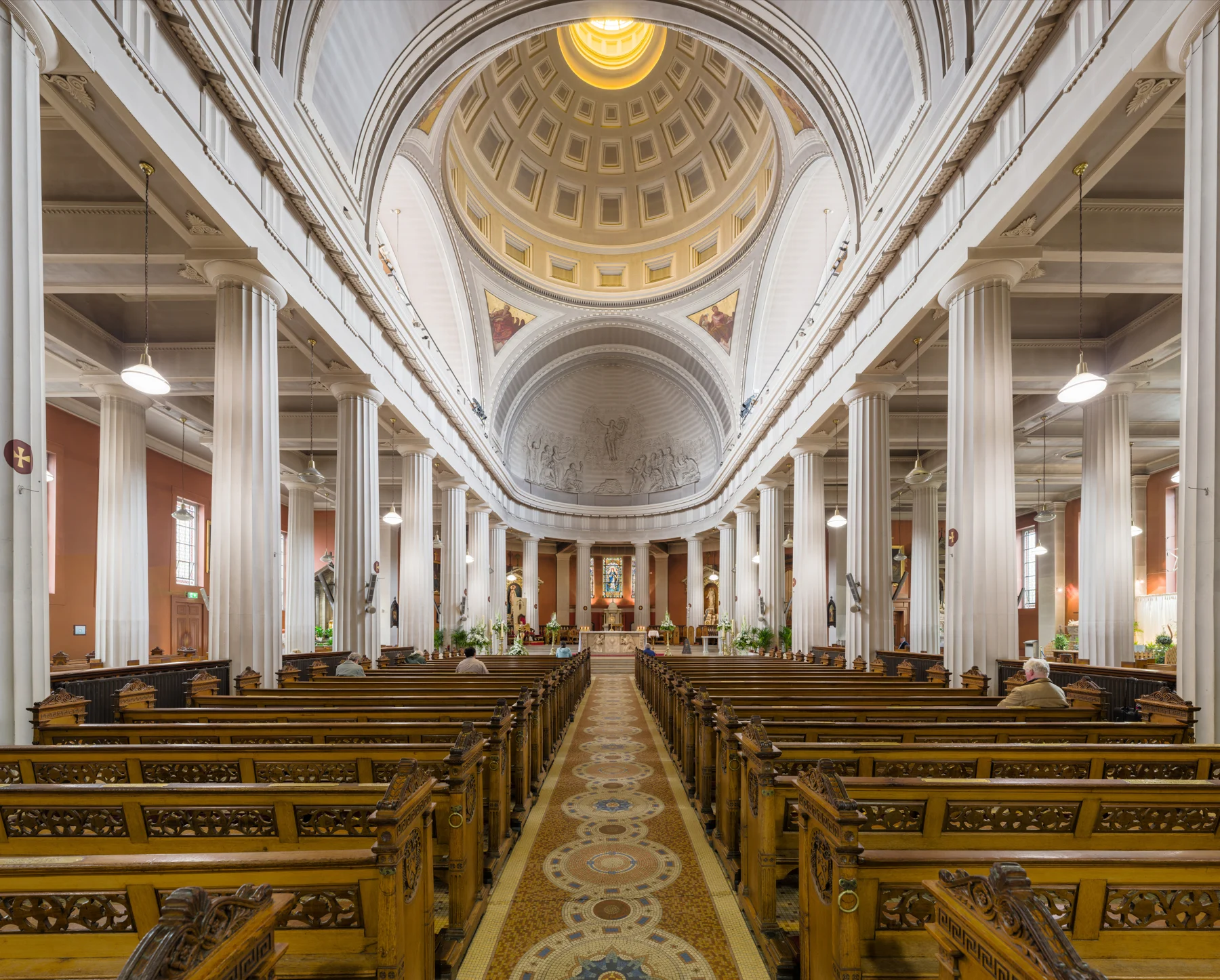
The soaring interior of St Mary's Pro-Cathedral in Dublin, looking toward the sanctuary
St Mary’s Pro-Cathedral · Dublin, Ireland

Faith bears fruit

Love of God.
Service to our neighbor.

The Catholic story is lived in the ordinary and the extraordinary: a teacher who opens a child’s future, a sister who cares for the sick, a scientist who studies creation, a volunteer who makes sure a family eats tonight.

This is a look at that inheritance - a tradition in which the dignity of every person calls for a practical response.

Understand the conviction behind the work

An inheritance shared with the world

A legacy of human flourishing.

Six windows into a much larger story.
Real people. Lasting contributions.

01Education

Opening the doors
of learning.

St. John Baptist de La Salle and the Christian Brothers made free schooling and well-prepared teachers central to their mission. Their schools taught in the language children actually spoke, helping make education accessible to poor families.

A closer look

De La Salle devoted his resources to educating poor boys in France. His community developed teacher formation, instruction suited to pupils’ abilities, and an enduring vocation of teaching.

Read the Lasallian account (opens in a new tab)
02Health care

Seeing a person.
Caring for the sick.

Religious sisters helped build enduring institutions of care. The Hospital Sisters of St. Francis, founded in Germany in 1844, carried their vocation to the United States and helped establish hospitals that continue their mission today.

A closer look

The sisters’ history began with a commitment to the sick and those in need. Their American ministry grew into the Hospital Sisters Health System: one concrete example of religious life becoming organized, lasting care.

Read the hospital system’s history (opens in a new tab)
03Science

Studying creation.
Discovering its order.

Gregor Mendel, an Augustinian friar and later an abbot, investigated how traits pass between generations. His experiments with pea plants laid foundations for the science of genetics.

A closer look

Mendel presented his findings in 1865 and published them in 1866. His work took place at the Augustinian abbey in Brno, where his religious vocation and careful scientific investigation belonged to the same life.

Explore the Mendel Museum (opens in a new tab)
04Art & beauty

Making the sacred
visible.

Catholic patronage has given the world enduring works of sacred art. Commissioned by Pope Julius II, Michelangelo’s Sistine Chapel ceiling brings the biblical story into one of the world’s most remarkable painted spaces.

A closer look

Michelangelo worked on the ceiling from 1508 to 1512. It remains part of a living chapel—a work of art created for a place of prayer, rather than simply for display.

Visit the Vatican Museums’ account (opens in a new tab)
05Human dignity

Defending the dignity
of work.

In his 1891 encyclical Rerum Novarum, Pope Leo XIII addressed the hardships of industrial workers. He defended their dignity, the importance of adequate wages, and their right to form associations.

A closer look

The encyclical considers the responsibilities of employers, workers, and public authorities. It remains an important reference in Catholic social teaching on labor, family life, and the common good.

Read Rerum Novarum (opens in a new tab)
06Personal charity

Meeting need.
Neighbor to neighbor.

In 1833, Blessed Frédéric Ozanam and fellow students helped found the Society of St. Vincent de Paul. They gave their faith a concrete expression through personal service to people living in poverty.

A closer look

The Vincentian tradition continues through local communities and personal encounters, including home visits. Its enduring insight is that charity involves a relationship with a person, not merely an answer to a problem.

Read about Ozanam’s living legacy (opens in a new tab)

The work continues

An ancient faith.
A present-day difference.

Across countries and close to home,
Catholic service is still at work.

16 million+

people served by the Catholic Charities network

United States · 2025 report
169

agencies in that U.S. network

Catholic Charities USA · 2025 report
162

autonomous organizations united by Caritas

Caritas Internationalis · global network

These figures describe separate networks, not a combined total. Organizations report their own activity; reporting years vary.

Close to home

Food, shelter,
and a way forward.

Catholic Charities agencies support people facing poverty through services including food assistance, housing, health programs, and disaster response.

Explore Catholic Charities USA
Around the world

Relief in a crisis.
Support for the future.

Catholic Relief Services works with local partners on humanitarian relief and development. Its assistance is offered according to need, regardless of religion, race, or nationality.

Explore Catholic Relief Services
A worldwide family

Local roots.
Global solidarity.

Caritas connects independent Catholic organizations in more than 200 countries and territories, supporting communities through humanitarian and social service work.

Explore Caritas Internationalis
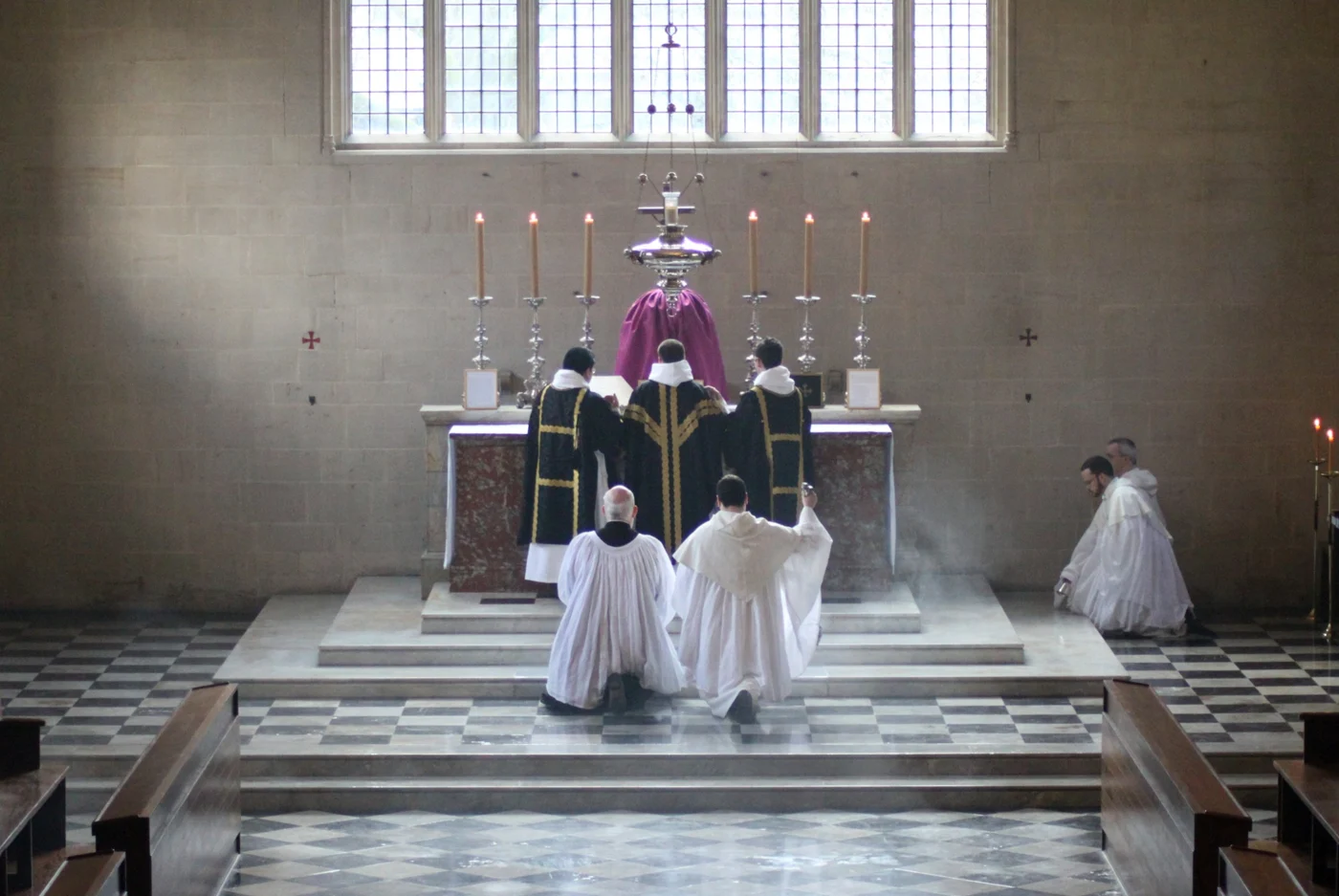
A priest celebrating a traditional Latin Mass at an altar
Traditional Latin Mass · photographed in 2010

The heart of it

From the altar
to the world.

For Catholics, worship and charity belong together. In the Mass, the Church receives Christ’s self-giving love; in daily life, the faithful are called to share that love with others.

The corporal works of mercy give this calling a practical shape: feed the hungry, give drink to the thirsty, clothe the naked, shelter the homeless, visit the sick and imprisoned, and bury the dead.

“Love of God and love of neighbour are thus inseparable, they form a single commandment.”

Pope Benedict XVI · Deus Caritas Est, §18

Read about Christian love
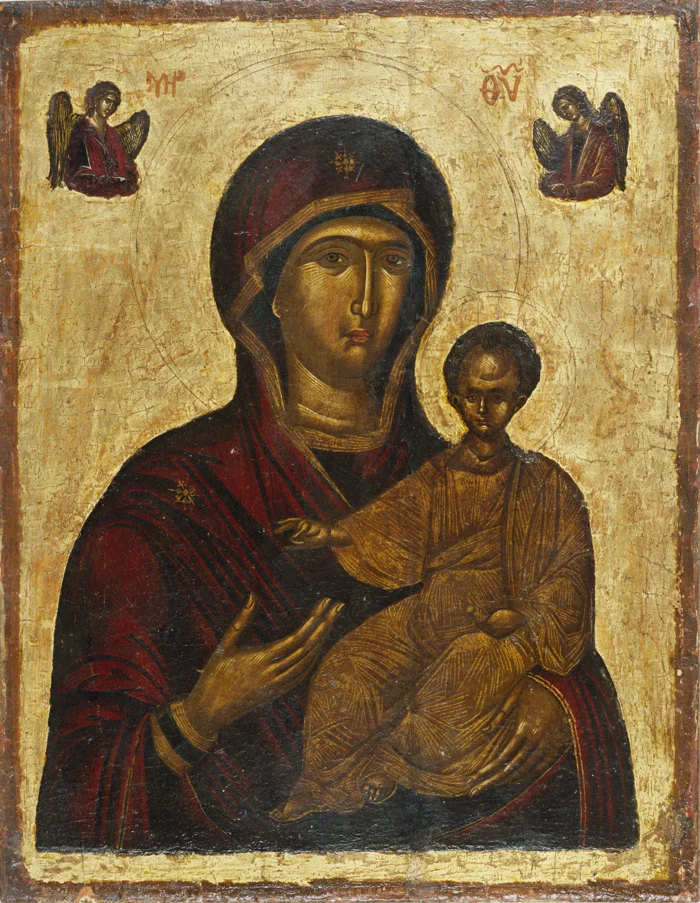
A sixteenth-century Hodegetria icon of the Virgin Mary and the Christ Child

A tradition you can take part in

The next good work
can begin with you.

Start close to home. Ask your parish about a food pantry or a visiting ministry. Give time to a local Catholic charity. Support a trusted relief organization. Small acts, offered faithfully, matter.

Find a place to help

Go to the source

A story worth
reading carefully.

This independent project presents selected Catholic contributions, past and present. It is not an official publication of the Church or of the organizations featured.

Historical examples are specific contributions. Figures are attributed to their reporting organizations.

Sources reviewed October 2026.

Photography & image credits

St Mary’s Pro-Cathedral Interior, Dublin · Photo by DAVID ILIFF · CC BY-SA 3.0. Resized, compressed, and cropped for display; the adapted image retains this license.

Tridentine Mass · James Bradley · CC BY 2.0. Photographed February 20, 2010. Resized, compressed, and cropped for display.

Theotokos Hodegetria · Anonymous, 16th century · Finnish National Gallery / Sinebrychoff Art Museum · CC0. Resized and compressed. A Byzantine icon from the shared heritage of Eastern Christianity.